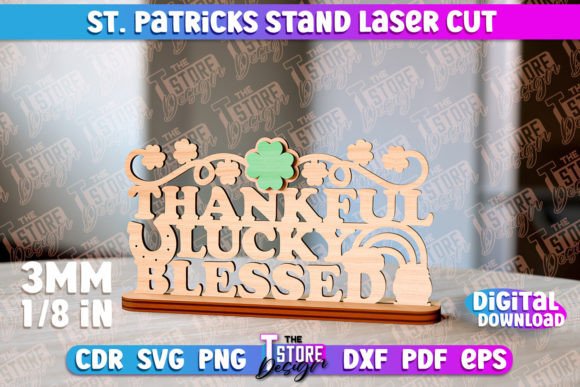
St. Patrick's Stand: A Design Review for Real Projects
Let’s talk about the St. Patrick's Stand Decorative Stand as a designer would, not just a shopper. When I’m considering a new embroidery design for my work—whether it's for a client’s custom sweatshirt, a line of tote bags for my small shop, or a personalized holiday gift—I look at it through a very practical lens. How will it actually perform when the needle hits the fabric? What kind of mood does it create for the finished product? And, crucially, will the person receiving it feel that special handmade touch? That’s the review I’m giving you today.
First Impressions: The Personality of this St. Patrick's Stand
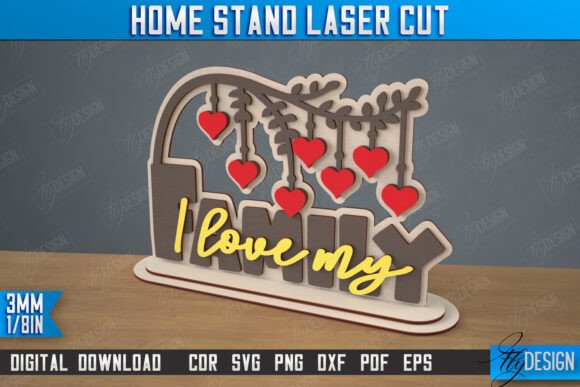
Immediately, this design evokes a sense of cheerful, themed celebration. It’s unmistakably St. Patrick’s Day, but the decorative stand concept suggests structure and a touch of classic charm, beyond just a simple shamrock. The layout feels balanced, which is a great start for any embroidery project. For an embroidery designer, that balance tells me it will sit well on a variety of items—think the center of a pillow cover, the lower corner of a kitchen towel, or proudly displayed on an apron. The detail level implied by the engrave and cut lines suggests opportunities for texture, where satin stitches for bold elements and fill stitches for shaded areas could create a really dynamic finished product. The visual personality is festive yet polished, which makes it a strong candidate for small shop products aimed at adults who appreciate a more refined holiday decor.
Where This Design Shines in Real Embroidery
I’m picturing a specific scenario: preparing a batch of embroidered tea towels as boutique St. Patrick’s Day gifts. This is where the St. Patrick's Stand Decorative Stand would come into play. On a crisp, linen-textured towel, the design would act as a beautiful decorative accent, elevating a simple kitchen item into a seasonal keepsake. The stand motif itself lends a sense of permanence and display, making it feel more like a piece of art than a temporary graphic.
Beyond towels, here’s where I believe this embroidery file would perform beautifully:
- Custom Apparel: On the left chest of a heavyweight sweatshirt, it becomes a statement piece. The design’s likely clarity would ensure it reads well from a distance.
- Tote Bags & Aprons: These are perfect canvases. The structure of the stand complements the functional nature of the item, adding branded charm to a craft business product.
- Home Decor: Pillow covers and blanket corners are ideal. The decorative nature fits the category seamlessly, creating a coordinated holiday look.
- Personalized Gifts: Imagine it on a baby’s nursery decor item, like a wall hoop or a blanket, with a name integrated nearby. It’s a sweet, thematic touch for a baby embroidery project.
- Digital Product Preview: For fellow digital product sellers, this design could be used to create gorgeous printable mockups for your listings, showcasing the potential of your design assets.
The key is that its theme is specific but its application is broad. It’s not just for apparel; it’s for any product where you want to inject a sense of St. Patrick’s Day tradition and craftsmanship.
Careful Considerations for Stitching Success
Now, the practical designer notes. Every design has its optimal uses and its tricky spots. Based on the description mentioning cut and engrave lines, which translate to different stitch types in embroidery, here’s where I’d proceed with caution:
- Small Hoop Sizes: If the design has intricate corners or tiny lettering within the stand, testing on a very small hoop might lead to lost detail or stitch density issues. Always check hoop size compatibility before committing to a project.
- Textured or Stretchy Fabric: A thin t-shirt or a loosely knit blanket might struggle with the potential density of a decorative stand. Using the proper stabilizer is non-negotiable here to maintain stitching clarity.
- Dark Fabric Backgrounds: This is a classic challenge. The traditional greens and golds of a St. Patrick’s theme need careful thread color contrast planning on dark fabrics. I’d strongly advise testing on scrap fabric first in both light and dark scenarios.
- Curved Surfaces: Applying it to a cap might be challenging if the design is very rectangular or has wide, flat areas. The curvature can distort fill stitch regions.
- Products for Frequent Washing: For items like kitchen towels or baby clothes that will be laundered often, consider simplifying the stitch plan if the design is extremely dense, to ensure longevity.
These aren’t criticisms of the design; they’re the standard checks any professional runs to guarantee a client or customer gets a durable, beautiful result.
How This Design Elevates Your Finished Product
From a business and creative perspective, using a design like the St. Patrick's Stand Decorative Stand affects more than just the stitch quality.
It boosts visual appeal by offering a complete, thematic graphic rather than an isolated element. That completeness adds to the perceived product value. For an Etsy seller or creative entrepreneur, a well-executed, detailed holiday design builds customer trust and buyer engagement—it shows you invest in quality assets.
The design’s specific theme enhances its giftability and recognition. A customer knows immediately what it represents, making it an easy choice for a holiday purchase. For your brand, consistently using well-composed designs like this strengthens your handmade presentation and brand consistency, moving you away from generic, clip-art-style embroidery.
It also opens doors for commercial embroidery projects. A local pub or community group might want this design on staff aprons or event merchandise for St. Patrick’s Day, giving you a professional, ready-to-use asset.
Essential Designer Notes Before You Stitch
Before you load this file and start your next embroidery project, make these your standard practice steps:
- Absolutely test the design on scrap fabric first, using the same material and stabilizer you plan for the final product.
- Review the implied stitch density from the engrave areas. Dense fills require proper machine settings and hooping to prevent puckering.
- Inspect the small details in a black and white mockup to see how clear they’ll be when stitched. Tiny elements might need slight adjustment for your specific machine.
- Check whether the design is intended for both personal and commercial embroidery projects. Confirm licensing before selling finished items or including it in your digital product line.
- Remember, the product description specifies it’s a laser cutting file. As an embroidery designer, you’ll need to ensure you have a compatible embroidery file format or a way to convert the design appropriately for your machine. Always be sure your cutting machine and software are compatible, as the description wisely notes.
Approaching the St. Patrick's Stand Decorative Stand with this practical, designer-minded framework turns a digital file into a successful, real-world creation. It’s a design that, with careful application, can become a standout feature on your next custom apparel, heartfelt gift, or bestselling shop item. That’s the kind of asset that makes the work of a maker truly rewarding.