Ribbon Banner Sticker: A Designer’s Review for Real Projects
A Practical First Impression for Embroidery Work
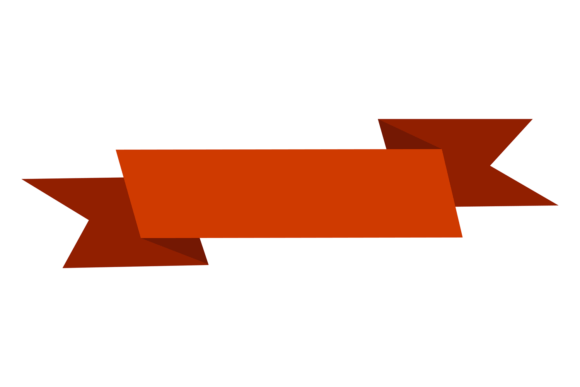
When an embroidery file lands on my screen, my first thought isn’t just about its appearance—it’s about how it will live as stitches. The Ribbon Banner Sticker design immediately feels like a versatile, foundational tool. Its clean, classic banner shape isn’t trying to be trendy; it’s aiming to be useful. The mood it creates is organized and celebratory, a blank slate ready to be personalized. For embroidery, this is a huge advantage. The layout is straightforward, with clean lines that suggest it will translate well into satin stitches or running stitch outlines. It doesn’t have excessive detail, which means less potential for thread buildup or unclear stitching on textured fabrics. This visual personality feels friendly and professional, making it a design that belongs naturally on custom apparel, handmade gifts, and small shop merchandise where clarity and a polished look are key.
Where This Banner Finds Its Home in Embroidery
Let’s walk through a real scenario. Imagine you’re preparing a custom embroidered tote bag for a client’s boutique. They want their shop name presented neatly. A ribbon banner is a perfect choice—it frames the text elegantly, adding value without overwhelming the main message. This Ribbon Banner Sticker design, as a blank template, gives you the freedom to digitize the lettering exactly as you need. I see it performing beautifully across a range of real-life projects. On sweatshirts and t-shirts, its balanced shape works well on chest or sleeve placements. For baby clothes or nursery decor, a smaller version could frame a name or birth date with sweet simplicity. As an embroidered patch, it would be clean and easy to apply. Think of aprons, pillow covers, or tea towels for the home—this banner elevates them into personalized gifts. For holiday gifts or wedding presents, it adds that crafted, thoughtful touch. For commercial use, it’s a reliable asset for craft fair products or Etsy listings where consistency matters.
Considerations for Stitching Success
However, every design has its sweet spots and its caution zones. The ribbon banner’s success depends on mindful application. On small hoop sizes, you need to ensure the proportions still look graceful—a very tiny banner might lose its impact. Textured fabrics like some towels or blankets can obscure clean lines; a good stabilizer choice is crucial here. On dark fabric backgrounds, the thread color contrast becomes paramount. A light-colored satin stitch banner on a black sweatshirt can look stunning, but you must test to ensure the edges pop. The design’s corners and any potential tiny interior details (if you add them) need attention on curved surfaces like caps—hooping and stabilizer become doubly important. For products that need frequent washing, such as kitchen towels or baby items, consider a sturdy fill stitch for the banner body to withstand wear. Avoid using it on very thin or stretchy fabric without thorough testing on scrap first; the stitch density required for a solid banner could cause puckering.
The Impact on Your Product’s Appeal and Value
From a business and craft perspective, using a well-executed ribbon banner directly affects your product’s perceived value. When stitched cleanly, it conveys stitching clarity and professionalism. It helps build customer trust—they see a neat, intentional design, not a haphazard placement. For handmade presentation, it adds a layer of thoughtful design, making a simple name or message feel more like a complete composition. This strengthens brand consistency if you use similar decorative elements across your product line. A ribbon-banner-adorned item often feels more giftable; it has a finished, celebratory look that buyers recognize as special. This recognition can boost buyer engagement, especially in online mockups or digital product previews. It’s a decorative element that serves a function, and that practicality is attractive to makers and customers alike.
Practical Notes from the Embroidery Desk
Before you load this machine embroidery design and start stitching for a client or your shop, here are my grounded recommendations. Always test the design on scrap fabric first, using the same material and stabilizer you plan for the final project. This is non-negotiable. Check thread color contrast against your background; sometimes a visual on screen differs from stitched reality. Review stitch density in your embroidery software—while the provided file formats (like SVG or EPS) are great for versatility, the final stitch count and density will depend on your digitizing choices for the banner itself. Confirm your hoop size can accommodate the design at the size you want without forcing awkward scaling. Inspect small details if you’ve added any to the template. It’s also wise to test it in black and white mockups to see how it reads without color and to compare light and dark fabric backgrounds digitally before committing thread.
Use a proper stabilizer suited to your fabric; for a solid banner shape, you’ll likely need good support to prevent pull. A critical professional step: check whether the design works for both personal and commercial projects according to its license. The product description mentions it’s a graphics file, which suggests it might be intended as a design asset for further creation. Always confirm licensing before selling finished items or digital products derived from it. This protects your business and respects the creator.
Embracing the Blank Canvas
In essence, the Ribbon Banner Sticker isn’t a finished embroidery file; it’s a superb starting point. Its strength lies in its blankness—it invites you to fill it with your creativity, your client’s name, your shop’s slogan. For embroidery designers, craft business owners, and creative entrepreneurs, this type of asset is incredibly valuable. It saves initial design time while offering a proven, appealing structure. When stitched with care and placed thoughtfully on a tote bag, baby blanket, or holiday pillow cover, it transforms from a simple graphic into a core part of a memorable, handmade product. That’s the real test of a design’s worth: not how it looks on a white background in a PNG, but how it feels and looks after the needle has done its work.