A Tiered Tray SVG for Laser Cut Stands: A Designer's Review
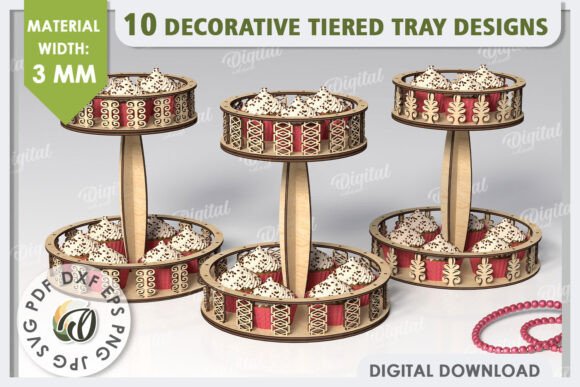
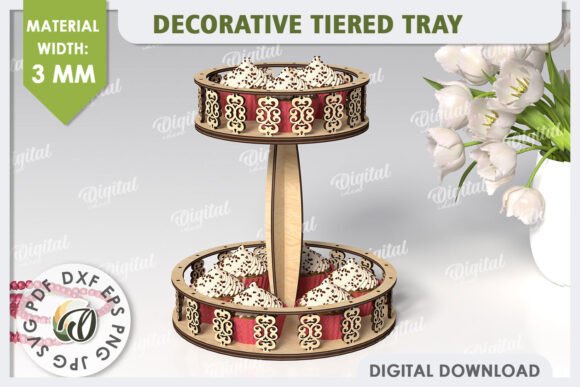
When I first opened the 3D Decorative Tiered Tray Laser Cut file, my immediate impression was of a delicate, ornate structure. It felt less like a simple graphic design asset and more like a blueprint for a physical object, which is precisely its charm. The lines are clean, the tiers are distinct, and the overall silhouette evokes a sense of curated, handmade display. This isn't a generic box; it’s a specific decorative stand, suggesting craftsmanship and intentional arrangement. The mood it creates is one of careful presentation, ideal for brands that want to communicate quality, artisan care, or thoughtful curation.
Finding the Right Client for This Detailed Stand
This asset naturally fits clients whose identity leans toward the handmade, boutique, or seasonal. Imagine a small business selling handmade ceramics, a local bakery preparing a window display, an Etsy shop launching a collection of vintage-inspired jewelry, or a content creator needing a visual motif for a blog about home organization. For these projects, the tiered tray isn't just an illustration; it’s a symbolic container. It can represent the client’s product line itself or act as a sophisticated framework to hold other visual elements within a layout.
In a recent project for a client launching a line of botanical candles, I needed a central graphic that conveyed both the product's natural ingredients and its premium, giftable quality. A simple jar graphic felt flat. This 3D Decorative Tiered Tray Laser Cut, however, provided a stage. I placed simplified illustrations of the candles on its tiers within the packaging design, instantly creating a more dynamic and lifestyle-oriented product mockup. It elevated the visual from a simple label to a scene, suggesting how the customer might beautifully display the items.
Where This Tiered Tray SVG Performs Excellently
Its strength lies in acting as a foundational or accent element in larger layouts.
- Hero Graphics & Large Layout Areas: On a website banner or a poster for a craft market, its intricate lines can be appreciated fully, establishing theme and scale.
- Themed Collections & Campaign Visuals: For a seasonal campaign—think a “Spring Display” series—this tray can be a recurring visual anchor across social media graphics, email headers, and promotional flyers.
- Product Mockups & Packaging Details: As mentioned, it’s superb for creating context in mockups. On a product label or box, a subtle, simplified version of the tray can imply the product's use or value.
- Printable Designs & Merchandise: For a print-on-demand seller, this SVG is ready for laser cutting into physical stands, or its design can be adapted for printable wall art, tote bag graphics, or mug designs that appeal to crafters and home decor enthusiasts.
- Decorative Accents: In editorial design for a blog or digital magazine about DIY projects, it can be used as a border element or a section divider, reinforcing the content's theme.
Considerations for Careful Application
This asset’s detail requires thoughtful placement. It should not be used as a primary element where clarity is paramount.
- Small Sizes & Crowded Layouts: Reduced to a tiny icon, the intricate tiers and supports will become a muddy, indistinct shape, losing all character and potentially harming readability.
- Complex Backgrounds: Placing it over a busy pattern or detailed photograph will cause visual conflict and make the tray disappear.
- Minimalist or Corporate Branding: For a tech startup or a financial services brand, this ornate, object-specific graphic would likely feel incongruous and distract from a clean, professional visual hierarchy.
- Primary Logo Design: While it could inspire a logo for a very niche craft business, its complexity makes it unsuitable as a core logo mark for general brand recognition.
The Impact on Brand Perception and Professional Polish
Using this tiered tray well affects a project's perceived professionalism. When integrated thoughtfully, it adds a layer of specificity that generic clipart cannot. It builds visual trust by showing an understanding of the client’s niche—it speaks directly to audiences interested in display, crafting, and curated goods. This strengthens emotional appeal and audience engagement for those specific viewers.
However, forcing it into a project where it doesn’t fit will undermine brand consistency and make the final design feel amateurish. The key is to treat it as a supportive brand element, not a dominant one. For the botanical candle client, the tray was a secondary graphic; the primary focus remained the product name and logo. This maintained hierarchy while using the tray to enhance the mood.
Essential Practical Checks Before Client Use
Before committing this asset to a paid project, I run a series of tests. These are non-negotiable for any commercial design asset, especially one with such specific detail.
- Format & Editability: Confirm the provided SVG file is truly vector and editable in your software (Adobe Illustrator, Inkscape, etc.). Can you easily adjust colors, simplify lines if needed, or separate tiers? This is crucial for customization.
- Scale Testing: Preview it at both enormous size (for a poster) and thumbnail size (for a social media icon). Identify where the detail breaks down.
- Contrast & Color: Test it on both light and dark backgrounds. Does it maintain clarity? Also, test a pure black-and-white version to ensure it works in single-color print scenarios.
- Integration Mockups: Place it into a real, temporary mockup of the client’s key deliverable—the packaging flat, the website header, the Instagram post template. Does it integrate smoothly with the other elements?
- Font Compatibility: Compare it alongside your chosen project fonts. Does it harmonize with a clean sans-serif for text? Does it clash with a competing script font? Its ornate lines often pair best with simple, modern typefaces.
- Commercial License: Absolutely verify the licensing terms. As a digital product for laser cutting, it should typically allow for commercial use in end products (like physical cut trays or designs printed on merchandise), but always confirm this before using it for a client’s business project.
Ultimately, the 3D Decorative Tiered Tray Laser Cut is a niche tool with high potential value for the right project. It won't be a go-to asset for every client in my roster, but for those in the handmade, decorative, or lifestyle spaces, it provides a ready-made, sophisticated visual structure. It saves time from having to illustrate such an object from scratch and carries an inherent meaning of presentation and care. My final judgment is this: it’s a specialist asset. When the project brief aligns with its ornamental, craft-oriented vibe, it can significantly improve the final result's polish and thematic depth. When the brief doesn't align, it's best left in the digital toolbox, reserved for the perfect occasion.