Evaluating Decorative Laser Cut Panels for Embroidery
First Impressions: A Design Built for Depth
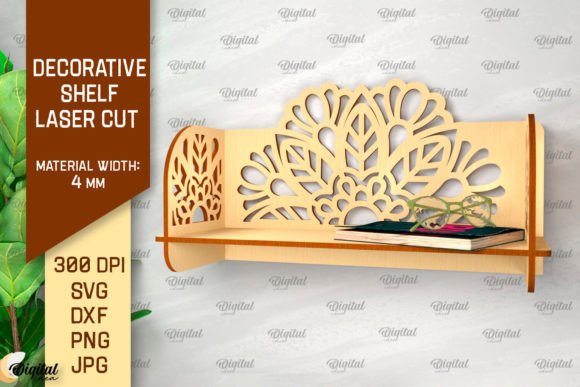
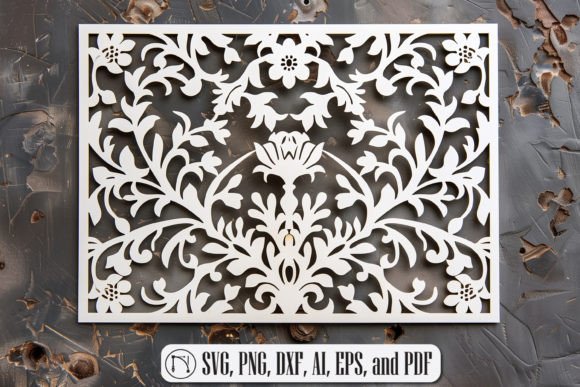
When I first opened the Decorative Laser Cut Panels Template SVG, my immediate thought was this is a frame-maker. It doesn’t scream a specific theme, which is its greatest strength. The patterns possess a geometric, almost architectural intricacy that feels both modern and classic. The mood it creates is one of sophisticated detail—not overly floral or whimsical, but structured and elegant. This visual personality means it won’t compete with your central motif; instead, it will elevate it, adding a layer of crafted depth that many simpler borders lack.
For embroidery, this translates beautifully. Think of it as the perfect accent for a personalized tote bag carrying a company logo, or as a refined border on a custom pillow cover for a boutique home goods line. The layout suggests it’s meant to surround something, to contain and highlight. In my mind, I’m already picturing it stitched out on a linen tea towel, framing a monogram, transforming a basic kitchen item into a thoughtful, giftable piece of art.
Where This Design Shines in Real Projects
Let’s talk practical application. I recently used a similar panel concept for a client’s embroidered sweatshirts. The goal was to add value without clutter. This template would perform excellently in that scenario. Stitched around a simple text logo on the left chest, it turns a standard apparel decoration into a signature boutique item. The intricacy, when rendered in satin and fill stitches, conveys a level of care that customers notice and trust.
It’s also a strong candidate for patches. Applied to a backpack or a denim jacket, a panel border can make a handmade patch look professional and intentionally designed, rather than just placed. For baby items, like a decorative blanket corner, it adds a touch of heirloom quality without being too busy. For holiday gifts—think framed initials on an apron—it provides that extra decorative layer that screams “handmade,” not just “homemade.”
For digital product sellers, this is a versatile asset. It can be used in printable mockups to showcase how a finished embroidered product might look, adding sophistication to your preview images and boosting buyer engagement. In a craft business, consistency is key. Using a design like this across a range of products—tote bags, pillow covers, kitchen towels—can create subtle brand cohesion, making your small shop merchandise feel like a curated collection.
The Practical Considerations for Stitching Success
Now, the designer’s notes. With any intricate template, the devil is in the stitch density and the small details. My foremost advice: always test on scrap fabric first. Use the exact fabric you intend for the final project—be it the textured canvas of a tote, the stretchy knit of a sweatshirt, or the smooth cotton of a baby blanket. This will reveal how the design handles.
Navigating Potential Pitfalls
This design’s detailed corners and potential dense stitch areas demand attention. On thin or stretchy fabric, like a t-shirt, you’ll need a robust stabilizer to prevent puckering and maintain clarity. On dark fabric, thread color contrast is paramount; a light thread on a dark background will make those intricate patterns pop, but you must ensure the fill stitches are dense enough to prevent the background fabric from showing through and muddying the design.
Small hoop sizes might be a challenge if the template is large. You need to confirm the required hoop size from the provider to ensure your machine can handle it. Similarly, embroidering on curved surfaces like caps requires careful planning—some panel designs may distort if not adapted correctly. And for products destined for frequent washing, like apparel or kitchen towels, a clean stitch execution with secure edges is crucial for longevity.
Always inspect the small details in your software before stitching. Are there any tiny lines or intersections that might become a thread-tangled mess? Sometimes, simplifying a minuscule element in the embroidery file can save a lot of headache and thread breaks during production.
From Template to Trust: Building Product Value
How does using a design like the Decorative Laser Cut Panels Template SVG affect your final product? Simply put, it raises the perceived value. A plain embroidered monogram on a cap is nice. A monogram framed by a deliberate, decorative panel looks premium. This visual appeal directly impacts customer trust and your professionalism as a maker. It shows you’ve considered the entire composition, not just slapped a design onto a fabric.
For personalized gifts and small business merchandise, this “extra mile” detail is what makes an item stand out at a craft fair or in an Etsy listing. It enhances the handmade presentation, moving it closer to a luxury, artisanal feel. In commercial embroidery projects, such attention to detail justifies a higher price point and builds a reputation for quality.
Final Recommendations for Makers
Before running this machine embroidery design on a final project, do two key things. First, test it in both light and dark fabric mockups—even digitally—to visualize the final impact. Second, confirm the licensing terms clearly provided by the seller. Is it for personal use only, or does it include commercial use? This is critical before selling any finished product or using it in your craft business assets.
Remember, the category Wall Decor and Laser Cutting suggest origins, but in embroidery, we’re adapting. This template’s strength is its versatility. It can transcend its initial category to become a go-to border for apparel, home decor, and personalized goods. Its laser-cut precision translates well into the clean lines of satin stitch.
My judgment? This is a practical, sophisticated design asset. It won’t be for every project—it’s better suited for items where you want to add a layer of quiet sophistication rather than loud statement. But for the embroiderer looking to elevate their custom apparel, boutique products, and gift items with a touch of deliberate, intricate framing, it’s a template worth having in your library. Just approach it with a tester’s mindset, and it will reward you with stunning finished products.