A Design Review of the Tree Laser Cut Panel
First Glance: Where This Design Would Thrive
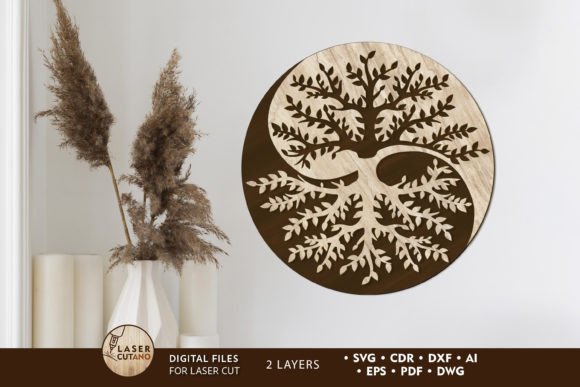
Opening the Tree Laser Cut Decorative Panel file, the immediate impression is one of serene, structured elegance. The layered layout suggests a piece that would translate beautifully into embroidery with clean, defined edges. This isn’t a fussy, overly detailed botanical; it’s a modern, graphic interpretation. The visual personality feels calm and rooted, making it a perfect candidate for projects where you want to add a touch of nature without overwhelming the piece. It naturally belongs on items meant for quiet spaces or thoughtful gifts—a beautifully embroidered pillow cover for a reading nook, a custom apron for a gardener, or a personalized tea towel in a minimalist kitchen.
The Real-Life Embroidery Scenario: A Boutique Tote Bag
Let’s picture a real case: you’re preparing a batch of embroidered tote bags for your small shop or Etsy listings. You want a design that feels premium, stitches cleanly on canvas, and has that ‘handmade-with-care’ appeal customers trust. The Tree Laser Cut Decorative Panel layout, with its clear layers, is promising. On a natural canvas tote, the tree’s form would be defined by satin stitches for the trunk and perhaps fill stitches for the foliage areas, creating a lovely contrast in texture. The result wouldn’t look busy or cheap; it would elevate the bag’s perceived value. A customer browsing your online store would see it as a coherent, professional handmade product, not just a random graphic slapped on fabric.
How It Plays Across Different Products
This design’s strength is its adaptable mood. On a heavyweight sweatshirt, it becomes a stylish, understated chest logo. Stitched as a patch, it could be applied to a baby blanket or nursery decor item, offering a gentle, organic theme. For holiday gifts or wedding gifts, embroidered onto a linen pillow cover or kitchen towel, it carries a sense of timelessness and warmth that generic designs often lack. In your craft business, using this as a consistent design asset across a line of products—totes, aprons, towels—helps build brand consistency. Even in digital product previews and printable mockups for your listings, the clean lines make for a compelling visual that boosts buyer engagement.
Careful Application: Where to Proceed with Caution
While the design is visually appealing, its successful translation into stitch depends on mindful execution. The layered layout implies distinct sections. On highly textured fabrics like some linens or on stretchy fabric like a t-shirt, you’ll need to be diligent with your stabilizer choice to maintain that crisp definition. If considering it for a cap or curved surface, the design’s proportions need to be checked against the hoop size and curvature to avoid distortion. Embroidering on dark fabric would require a thoughtful thread color palette to ensure the tree retains its clarity and doesn’t get lost.
Furthermore, if the digital file’s details include very tiny lettering or detailed corners within the tree shape, these areas might become dense or unclear at smaller scales. This design might not be ideal for very small hoop sizes intended for baby clothes tags or tiny patches, unless the layout is simplified. For products like apparel that need frequent washing, ensuring the stitch density is appropriate for durability is key—a too-dense fill stitch area on a frequently used kitchen towel might wear differently.
Professional Notes for a Smooth Project
Before committing this to a client project or your own commercial embroidery run, here are my practical designer notes:
- Always test on scrap fabric first. Use the same material and weight as your final product. This reveals how the layers interact with the texture.
- Check thread color contrast. View the design in both black-and-white and color mockups against your intended background—light and dark.
- Review the stitch density in your embroidery software. This is crucial for fabric choice and durability.
- Confirm the licensing terms of the digital embroidery file. Before selling finished items or including it in your digital product line, ensure it’s cleared for personal and commercial projects.
- Inspecting small details in a preview can save headaches. Look for any potential hiccups in corners or connections.
Since the provided description mentions it’s prepared for laser cut and CNC, it’s essential to verify the specific compatibility as an embroidery file—check the formats, any included stitch types like applique or running stitch elements, and the exact sizing information before hooping your first piece.
The Final Stitch: Value Beyond the Design
Ultimately, the Tree Laser Cut Decorative Panel offers more than just a pattern; it offers a mood. When embroidered well, it contributes to a product’s visual appeal and stitching clarity, which directly influences customer trust and the item’s giftability. For a creative entrepreneur, it’s a design asset that can be leveraged across multiple product lines, from custom apparel to home decor, enhancing your shop’s professionalism. It feels considered, which is exactly what the market for handmade and personalized gifts responds to. Approach it with the practical care outlined above, and it can become a reliable, beautiful part of your embroidery project repertoire.