A Laser-Cutting Gnome Asset for Spring Editorial Projects
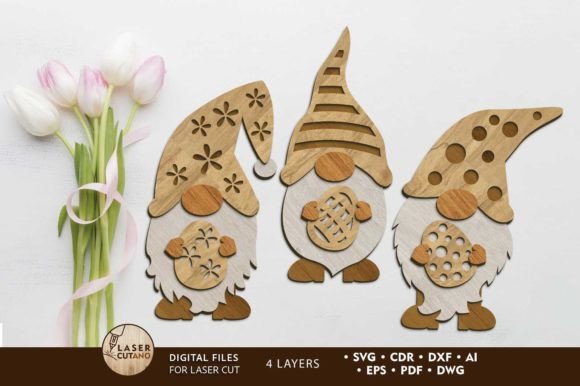
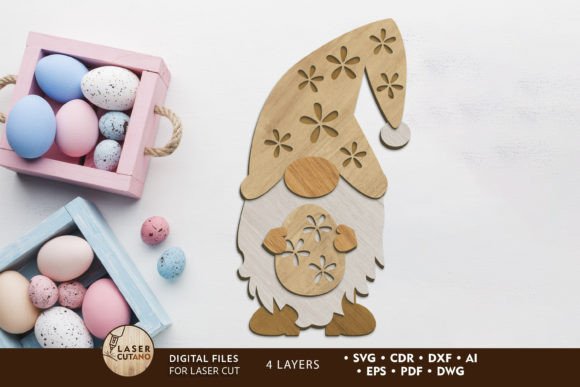
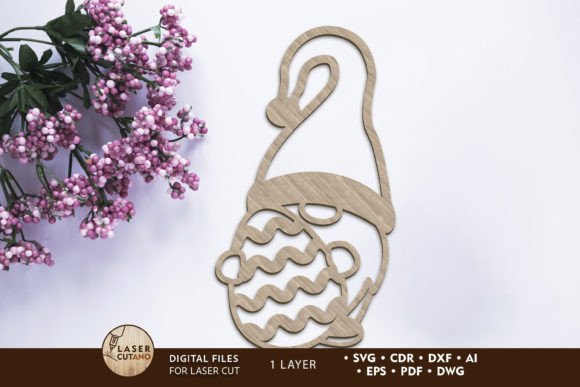
From the moment I opened the Onelayered Easter Gnome Decorative File, I knew this graphic design asset had a specific editorial mood. It’s inherently playful and seasonal, with a strong decorative charm that leans into a lifestyle-focused, feminine, and artistic niche. This isn’t a sterile corporate icon; it’s a character. That first impression is crucial for publishers. When a reader lands on a blog post or sees a Pinterest pin, this gnome immediately communicates warmth, creativity, and a springtime theme. It builds a visual connection before a single word is read, which is foundational for trust and engagement in content niches like DIY, home decor, seasonal crafts, family activities, and creative entrepreneurship.
The Editorial Mood: Where This Gnome Graphic Works Best
This design asset naturally supports content that needs to look inviting and clickable. The adorable, layered gnome detail creates a focal point that can anchor an entire layout. For bloggers and content creators, this translates into several high-impact uses. Imagine it as the centerpiece of a blog featured image for a post titled "10 Adorable Spring Crafts with Your Cricut." It could dominate a Pinterest graphic, with text overlay calling out a free downloadable template. It’s perfect for a newsletter banner announcing a Spring DIY challenge or as a decorative accent on the cover of a digital guide about laser-cutting projects. The style is specific enough to create strong category recognition—your audience will instantly know the content relates to spring, crafts, or home decoration—yet versatile enough to be adapted across formats.
Real Publishing Workflow: From Asset to Published Content
In a real publishing workflow, this file is a starting point for multiple deliverables. A content creator might begin by using the gnome as a hero image on a blog post. Next, they’d resize and reposition it for a taller Pinterest pin, optimizing for that platform’s visual hierarchy. For a content upgrade or lead magnet, like a printable spring project checklist, the gnome could adorn the header, making the downloadable resource feel polished and valuable. In affiliate marketing content reviewing cutting machines, this asset provides a tangible, attractive example of what a Cricut or laser cutter can create, making the recommendation more visual and trustworthy. It can even be incorporated into Canva templates for social media posts, creating a consistent visual identity across a campaign.
Supporting Content Performance with Professional Polish
Using a well-crafted design asset like the Onelayered Easter Gnome Decorative File directly impacts content performance. A stronger first impression reduces bounce rates. A clearer visual hierarchy—where the gnome acts as the primary visual element—guides the reader’s eye to your headline or call-to-action. This improves click-through potential, whether to read more, download a resource, or view a product. For small business branding, consistently using this seasonal element across blog graphics, social media graphics, and digital products builds a cohesive, professional-looking content library. Readers subconsciously assign more authority to sites that look thoughtfully designed. It turns a basic article into an editorial experience.
Practical Publisher Notes for Implementation
Before deploying this asset, test it rigorously. Preview it on both desktop and mobile screens—does the intricate detail hold up as a small thumbnail? Place it inside your actual blog layout template alongside your headline text. Check contrast and readability if you plan to overlay text directly; the gnome’s shape might require a solid background panel for text clarity. Try it with different font styles: a clean sans-serif for modern blogs, a playful script for lifestyle sites, or a bold display font for emphasis. Always review the file size and compress images properly for web performance; fast-loading pages are a non-negotiable for reader trust. Crucially, confirm the commercial license if you’re using it on monetized websites, affiliate pages, or within paid digital products like eBook covers or media kits. GNOME Digital multilayer layout files are prepared for cutting machines, but for digital publishers, the value is in the visual communication.
Strategic Placement: Hero Images to Social Previews
The most powerful applications are in prominent, attention-grabbing positions. Use it as a hero image at the top of a blog post or website header for a seasonal category page. It’s ideal for article thumbnails in a grid layout, where its charm can increase click-through rates. For Pinterest pins and Instagram posts, it creates immediate thematic recognition. As an editorial accent within a longer digital guide or worksheet, it breaks up text and maintains a lighthearted mood. It excels as a visual for content upgrades and downloadable resources, signaling that the offer is fun and creative.
Considerations and Careful Usage
This asset should be used carefully in certain contexts. In very small mobile thumbnails, the fine details might become indistinct. Avoid placing it on text-heavy blog images where the background is already busy with words—it could create visual clutter. Its playful, decorative nature might not align with serious professional niches or starkly corporate content. Websites that require a very minimal visual system might find it too ornate. The key is to match the asset’s mood to your content’s tone. For a spring-themed affiliate blog about craft machines or a lifestyle site’s seasonal editorial, it’s a perfect fit. For a technical laser-cutting business blog, it might serve better as an occasional decorative element rather than the core brand identity.
The Bottom Line for Digital Publishers
The Onelayered Easter Gnome Decorative File is more than a cute picture; it’s a tool for visual communication. In the hands of a blogger, digital marketer, or creative entrepreneur, it elevates ordinary content into polished, engaging editorial material. It supports a visual identity that feels deliberate and welcoming. By integrating it into blog graphics, newsletter headers, and social media previews, you’re not just decorating a page—you’re enhancing the reader’s entire experience, building trust, and ultimately, supporting the performance of your content publishing work. For spring-themed projects, it’s a design asset that delivers both aesthetic appeal and practical utility.