Elevate Your Spring Marketing with Laser Cut Easter Egg Designs
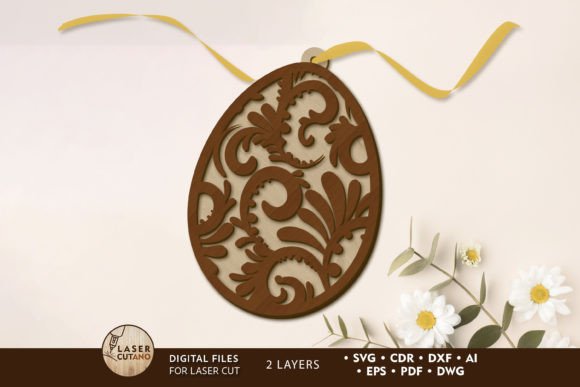
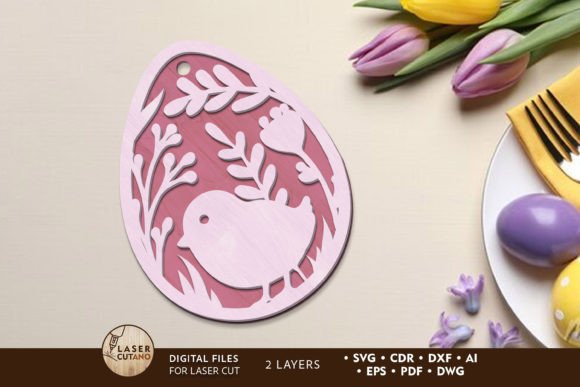
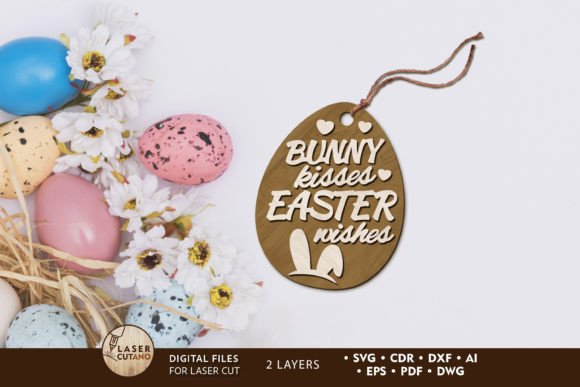
Opening the Easter Egg Decorative Template, my first impression is one of crafted charm. It doesn't scream "generic clipart"; it whispers "handmade attention." The multilayer approach inherent in laser cutting files suggests depth and tactility, even in digital form. This sets a mood of authenticity and seasonal celebration, perfect for brands that lean into the warmth of spring, handmade products, and lifestyle content. It feels suitable for bridging the gap between casual, friendly branding and premium visuals, offering a decorative foundation that can be adapted to feel either approachable or elevated.
A Design Asset Built for Real Campaign Workflows
Let's frame this within a real project: a small business launching a seasonal line of organic soaps or a cafe promoting its Easter brunch menu. They need a content kit that feels cohesive across Pinterest graphics, Instagram stories, and email banners. The Easter Egg Decorative Template enters here not as a standalone graphic, but as a versatile brand element. The clean, cut-ready lines of these egg designs become a consistent visual thread. Imagine them as subtle accents on product labels for a spring-limited edition, as the focal point of a Pinterest pin announcing a giveaway, or as a decorative border in a blog post graphic about seasonal traditions. This is where its value as a digital product shines—it's a ready-made creative design that accelerates visual consistency.
Where This Template Strengthens Your Brand Communication
In practical application, this graphic design asset supports several key marketing goals. For stronger first impressions, using these eggs as a hero graphic on a campaign landing page immediately conveys the seasonal theme with more personality than a stock photo. For more consistent branding, applying the same egg motif (perhaps color-matched to your palette) across social media covers, a printable event flyer, and digital ad banners creates a recognizable visual signature for your spring campaign. This repetition builds audience trust through familiarity and a professional appearance—it shows deliberate design thinking, not last-minute scrambling.
It excels in supporting content that needs to attract attention without clutter. The designs offer a clear visual hierarchy: they can serve as a decorative backdrop that doesn't compete with your main message text, or as a central illustration that draws the eye. This makes them ideal for social media graphics where space is limited, email banners that need to set a mood quickly, and packaging accents or merchandise like stickers that add a branded touch. For a content creator, these eggs can become part of a design bundle for spring-themed lead magnets or editorial design within a media kit.
Practical Applications Across Your Marketing Channels
As a brand designer reviewing this for client work, I immediately map it to specific needs:
- Social Media & Digital Ads: The clean SVG or PNG files are perfect for creating a series of cohesive Instagram posts or Facebook ads. One week, use an egg design as a frame for a product photo. The next, use a simpler egg outline as a watermark on a promotional video. This builds a more memorable campaign.
- Content Marketing & Web Design: Integrate these illustrations into blog graphics explaining spring DIY projects, or use them as decorative elements in the header of your seasonal sales page. They add thematic flavor without overwhelming your written content.
- Printable Promotions & Product Presentation: For a small business branding a handmade goods store, these laser cut motifs translate beautifully to actual product labels, packaging design inserts, or event posters. The files being prepared for cutting machines means the design intent is precision, which carries into its digital use.
- Brand Identity Extensions: While not a logo itself, this asset can become a powerful seasonal extension of a brand's identity. A farm-to-table brand could use a rustic egg design in its spring email signature. A lifestyle blogger could incorporate them into their Canva template for seasonal pins.
Considerations for Strategic and Safe Usage
Not every design asset fits every context. The Easter Egg Decorative Template should be used carefully in certain situations. Its decorative nature means it might clash with overly formal corporate branding unless heavily simplified. Avoid using it in dense information layouts or text-heavy ads where it could become distracting noise. On very small mobile graphics, intricate details might become lost, so opting for a simpler variant from the set is wise. Also, if your brand aesthetic is intensely minimal, this asset might compete unless used with extreme restraint as a tiny, repeated pattern.
Essential Brand Designer Notes Before You Launch
Before dropping this into a live campaign, run these practical checks:
- Color Integration: Test the template with your specific brand color palette. Does it harmonize when you recolor the elements? Does it maintain its charm in black and white for potential print applications?
- Context Mockups: Place it inside real campaign mockups immediately. Preview it on a mobile screen. How does it scale? Test readability when text is overlaid on it.
- Competitive Differentiation: Compare visuals using this asset against your competitors' spring graphics. Does it help you stand out with a unique, crafted look?
- Typography Pairing: Review spacing and balance by pairing the eggs with your brand fonts. How does it work with a clean sans serif for a modern feel? With a script font for a handmade vibe? Does a bold display font overwhelm it?
- License Confirmation: Crucially, confirm the commercial license terms. As a content marketer using this in paid ads, client work, or permanent business branding elements, you need clear rights for commercial design use.
The Final Verdict for Creative Entrepreneurs
The Easter Egg Decorative Template is more than just laser cut files for wooden Easter eggs. For marketers, bloggers, and product creators, it’s a springboard for consistent, attractive seasonal communication. It supports marketing goals by providing a ready-made visual theme that enhances professionalism and emotional connection. Its best use is as a unifying decorative element across a campaign—not as the star, but as the supportive stage that makes your main message shine. When used thoughtfully, with attention to color, scale, and brand alignment, it transforms from a simple illustration into a valuable design asset for building a stronger, more engaging spring brand presence.