A Designer's Practical Review of the Home Wall Panel
First Impression: The Quiet Welcome
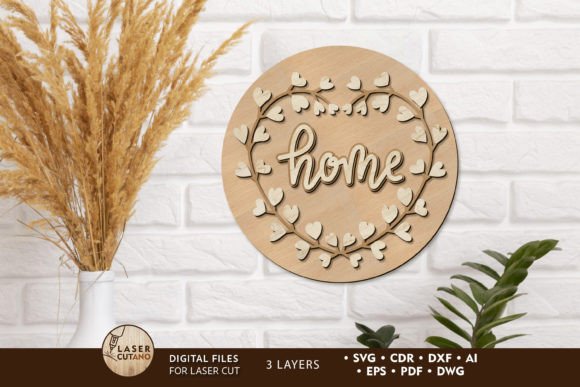
When I look at the Home Wall Panel, Decorative Template, I see a design that speaks softly but carries a lot of weight. It’s not shouting for attention; it’s creating a mood. The layout feels balanced and intentional, a subtle invitation. This isn’t a design for flashy, high-energy branding. Its personality is calm, confident, and deeply personal. For an embroidery designer, this tells me it belongs on items meant for reflection, for comfort, and for spaces—both physical and emotional—where people feel at ease.
My immediate thought was of a client wanting a custom embroidered pillow cover for a newly renovated living room, or a boutique looking for a signature design for their line of handcrafted kitchen towels. This design has that heirloom potential. It feels like it could become part of a home’s story, stitched onto something that gets used and seen every day, accruing meaning over time.
Where This Design Finds Its True Home
In practical terms, where does this embroidery file perform best? Let’s walk through some real-life scenarios.
Imagine you’re an Etsy seller preparing for the holiday season. You want a collection of gifts that feel thoughtful, not generic. This template would be stunning on a high-quality apron, a set of linen napkins, or a cozy throw blanket. It elevates simple items into personalized gifts. For a small shop product like a tea towel, the design’s clear layout would stitch out with excellent clarity, becoming a functional piece of art.
For custom apparel, I’d lean towards more structured garments. A heavyweight cotton sweatshirt or a canvas tote bag would be perfect canvases. The design has a dignity that might get lost on a flimsy t-shirt. I’d also consider it for a embroidered patch—one that could be applied to a denim jacket or a backpack, offering that same welcoming vibe in a mobile format.
Careful Considerations for Stitching Success
This is where experience matters. The appeal of a design like this hinges on execution. While the description notes it's prepared for cutting machines, for us in embroidery, translation is key.
First, stitch density and detail size are everything. If the design has very fine lines or tiny corners—common in decorative templates—you need to test it. Run it on scrap fabric first. I’d be cautious about using it on small hoop sizes; it likely needs space to breathe and maintain its integrity. On textured fabrics like linen, it could look beautiful, but on thin or stretchy fabric, it might pull or distort. Always use the proper stabilizer.
Dark fabric backgrounds require a thoughtful thread color strategy. You might need to adjust palettes to ensure the design doesn’t get lost. And for items like caps with curved surfaces, the layout’s flat-panel nature might need slight adaptation to sit correctly. These aren’t flaws; they’re just the realities of bringing a digital design into the physical world of thread and fabric.
The Impact on Your Work and Your Customer
Using a design like the Home Wall Panel affects more than just the stitchout. It affects perception.
When a customer sees this on a finished product, it communicates care. The clean layout suggests professionalism and skill. It builds customer trust because the result looks intentional and high-quality. For a craft business, this contributes to brand consistency—offering products that share a certain serene aesthetic.
Its giftability is high. It feels timeless, not trendy. A baby blanket embroidered with this wouldn’t just be cute; it would feel like a foundational piece for a nursery. A pillow cover with this design becomes a recognition point in a home—a familiar, comforting symbol.
From a commercial standpoint, whether for digital product sellers or makers selling physical items, this design serves as a reliable design asset. It’s versatile enough for many applications but specific enough in mood to attract a particular buyer looking for that welcoming vibe.
Practical Notes from the Worktable
Before you commit this design to a client project or your next batch of handmade product, here’s my checklist.
- Always, always test on scrap fabric that matches your final project’s weight and texture.
- Check thread color contrast. View the design in black and white mockups to see if the composition holds without color.
- Inspect the small details in your test stitchout. Are corners crisp? Do lines connect cleanly?
- Confirm the licensing terms. Since the description mentions preparation for laser and CNC, ensure the embroidery file you’re using is cleared for both personal and commercial embroidery projects before selling finished items.
- Consider the washing routine of the final product. A design with dense fills on a frequently washed kitchen towel might need a different stitch approach than on a decorative pillow.
- Don’t assume. If details like exact stitch count or recommended hoop size aren’t provided, reach out to the source or deduce them through your own testing. Your professional reputation is built on these details.
The Home Wall Panel, Decorative Template is a design that asks for a thoughtful maker. It’s not a quick, flashy stitch; it’s a considered application. When paired with the right fabric, the right product, and the right intention, it becomes more than a pattern—it becomes the quiet, confident voice of a handmade item, saying exactly what you and your customer want it to say.